Read Time: 9 min
Summary
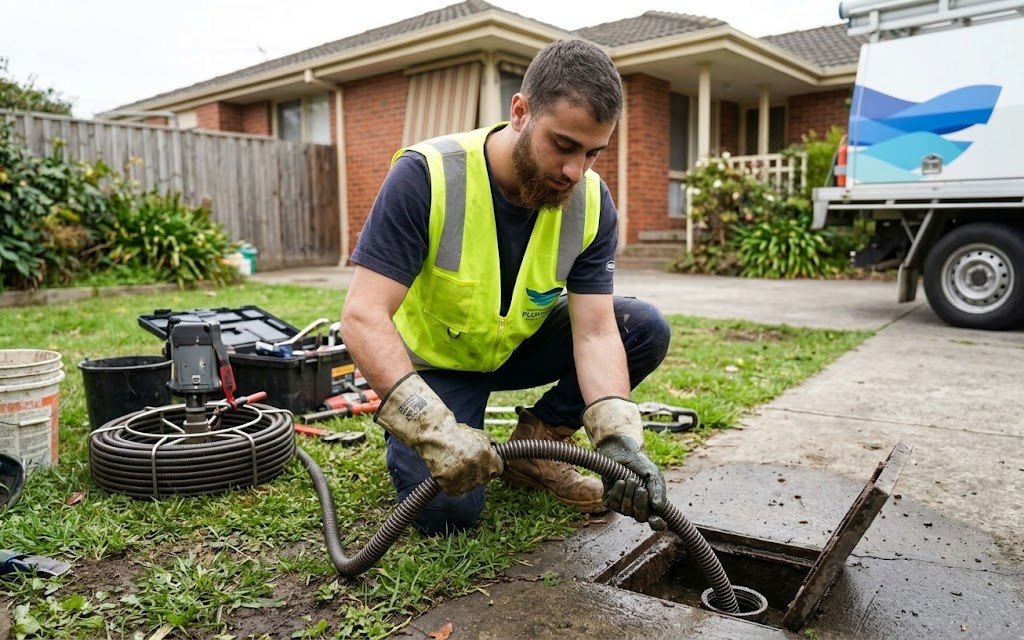
This guide breaks down the five early warning signs that a home's drainage is failing from slow water flow and gurgling pipes to stubborn odours, erratic toilet levels, and overflowing outdoor relief gullies.
By explaining the mechanics behind each issue and offering practical checks it helps homeowners tell the difference between simple fixes and urgent blocked drain emergencies.
It also highlights local factors like Melbourne's reactive clay and invasive tree roots, showing why recurring issues need root-cause diagnostics like CCTV camera inspections and hydro-jetting rather than temporary, surface-level patches.
The 5 Most Common Signs of a Blocked Drain (And When to Worry)
A drainage system rarely fails without warning.
Long before you find yourself standing in an overflowing shower or watching wastewater bubble up through a floor grate, your pipework provides clear physical signs that an obstruction is forming.
In residential plumbing, drainage works on a balanced system of gravity, pipe gradients, and atmospheric ventilation. When debris restricts a line, it disrupts this balance, altering water flow, trapping air, and forcing waste to find alternative exits. Identifying these early warning signs allows you to address partial obstructions before they cause structural water damage or contaminate your home with raw sewage.
1. Water Draining Slower Than Usual
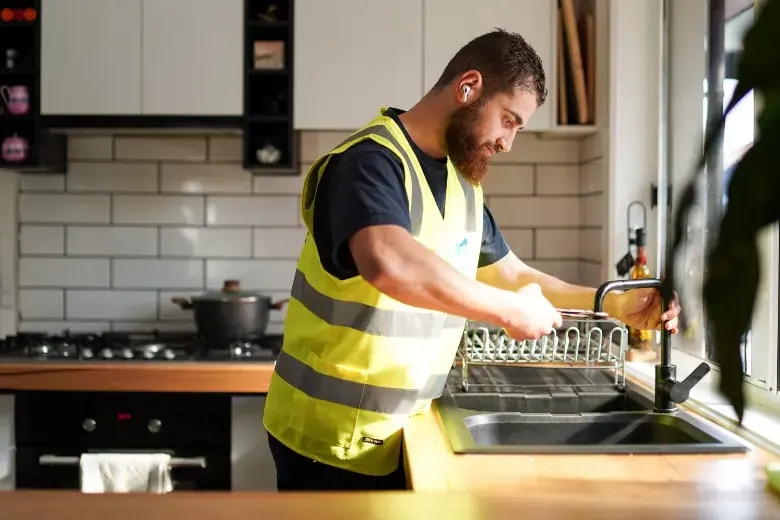
Slow drainage is the earliest and most frequent indicator of an accumulating blockage.
While homeowners often dismiss slow draining water as a minor inconvenience, it usually means that the drains are blocked up with something.
How It Happens
As water flows down a waste pipe, it carries suspended matter: hair, skin flakes, soap scum, fats, oils, and food particles.
Over time, grease and soap curds adhere to the inner walls of PVC or vintage clay pipes. This sticky lining acts like a filter, catching passing solids. As this layer builds up, the passage narrows from a standard 40mm or 50mm opening down to a fraction of that size, restricting the volume of water that can pass through each second.
Signs to Watch For
- The Shower Puddle: Water pools around your ankles during a regular shower and takes minutes to disappear after the tap is shut off.
- The Kitchen Sink Swirl: Rinsing dishes creates an immediate standing pool that drains with a swirl rather than a vortex.
- Laundry Tub Backup: The rapid discharge cycle from an automatic washing machine causes the adjacent laundry tub or floor waste to fill rapidly with suds and greywater.
2. Gurgling or Bubbling Sounds
Pipes should be seen and not heard.
If your sink, shower, or toilet makes a hollow glugging sound after you turn off the tap, your system is struggling for air.
Why Pipes Make Noise
Drainage systems need air vents, usually pipes poking out through your roof, so water can flow freely. It works just like poking a second hole in a tin of liquid so it pours smoothly instead of sputtering.
When a pipe gets choked with debris, that airflow gets blocked:
- Pushed Air: As a wall of water rushes toward a partial blockage, the trapped air in front has nowhere to go. It forces its way backward, bubbling up through the water in your traps with an audible glug-glug.
- The Vacuum: Once that water forces past the clog, it creates suction behind it. That vacuum pulls air and the water seal down through the drain trap, making that familiar sucking noise.
Common Warning Scenarios
- The Cross-Room Gurgle: You flush the toilet, and the shower grate on the other side of the bathroom makes a loud sucking sound.
- The Delayed Glug: You turn off the kitchen tap, walk away, and five seconds later hear repeated glugging noises from inside the wall.
- Toilet Bubbles: You run the basin tap, and air bubbles visibly break the surface of the toilet bowl.
Why This Matters
Every drain has a "P-trap" (the U-shaped pipe underneath) that holds standing water to block toxic sewer gases from entering your house. When a blocked line sucks that trap dry, those gases have a straight path right into your living room.
3. Foul, Unpleasant Odours
Your nose will often spot a blocked drain days before your eyes do.
If you notice a persistent smell that won't go away no matter how much bleach or surface spray you use, the source is buried down in the pipe.
What Causes the Smell?
Different blockages produce different smells, which can help you work out what's going on:
|
Odour Profile |
What's Causing It |
Where You'll Find It |
|
Sour, Rancid Grease |
Old cooking oil, animal fats, and food rotting in warm pipework. |
Kitchen sinks and dishwasher drain lines. |
|
Musty, Stagnant Water |
Wet hair, dead skin, and soap scum trapped together and decomposing. |
Shower drains and bathroom basins. |
|
Rotten Eggs / Sewage |
Hydrogen sulphide gas venting back past an empty or dry P-trap. |
Toilets, laundry floor drains, and outdoor gullies. |
How to Track It Down
Start by popping off the drain grate and giving the opening a solid scrub with hot water and dishwashing liquid. If the smell disappears, it was just surface build-up.
But if the odour returns within an hour or gets stronger right after you run hot water the decaying mass is stuck deep down in the branch line and you need to call a professional to help.
4. Weird Toilet Water Levels
Your toilet is the biggest waste pipe in your home (usually 100mm wide).
Because of its size, minor clogs rarely bother it. When your toilet starts misbehaving, it’s usually an early warning of a major issue further down the main sewer line.
Warning Indicators
- The High Rise: You flush, and the water swells right up to the rim like it's about to spill onto the floor, before slowly and painfully draining away over the next few minutes.
- The Disappearing Act: You walk into the bathroom and find the resting water level sitting way lower than usual. A blockage downstream has siphoned out the bowl’s water seal.
- The Weak Flush: The cistern dumps water normally, but there is no swirl or pull. Waste simply bobs around on top because the line lacks proper flow.
What Usually Causes It
Toilet paper dissolves in water within minutes. The real culprits behind stubborn toilet clogs are usually:
- "Flushable" Wipes: Despite what the packaging claims, wipes do not break down in sewer pipes. They catch on minor pipe joints and form tough, fabric-like dams.
- Hygiene Products: Sanitary items, and cotton balls are designed to absorb liquid and expand which is the exact opposite of what you want inside a drainage pipe.
- Tree Roots: Roots love the steady moisture inside sewer lines, breaking into small cracks and snagging passing toilet paper until the pipe is completely sealed off.
5. Overflowing Outdoor Drains
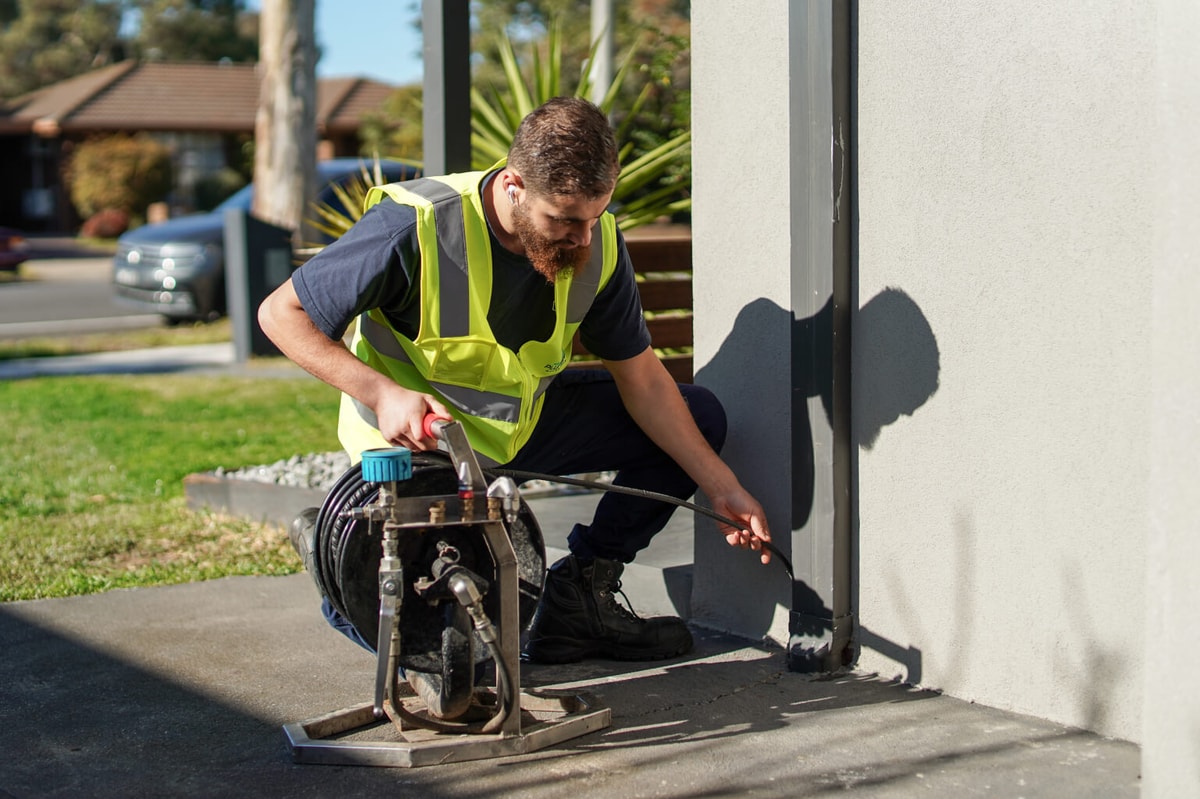
The most severe warning sign often happens outside your exterior walls at your home's Overflow Relief Gully (ORG).
What is an ORG and How Does It Work?
An ORG is an external, ground-level drain covered with a loose-fitting grate, situated near your bathroom or laundry exterior wall. Australian plumbing regulations mandate that the top of the ORG must sit at least:
- 150mm lower than the lowest internal fixture drain (such as your shower base or floor waste).
- 75mm above the surrounding finished ground level (to prevent stormwater entry).
Its design purpose is intentional failure: if your main sewer line experiences a complete blockage, wastewater backs up and discharges outside onto your garden or concrete apron, rather than flooding your internal floorboards, carpets, and cabinetry.
Critical Outdoor Symptoms
- The loose plastic or metal grate has popped off or is floating.
- Standing pools of cloudy, foul-smelling water appear next to the foundation when indoor fixtures are used.
- Toilet paper, wet wipes, or solid waste deposits appear on the lawn around the drainage point.
- Damp, unusually lush patches of grass grow along your underground sewer path during dry weather.
When Should You Really Worry About A Blocked Drain?
Not every slow drain requires dropping everything for an emergency call-out.
Here is a simple guide to figuring out how urgent your problem is:
Level 1: Mild / Local Nuisance
- Symptoms: Only one sink or shower is draining slowly. No weird gurgles, no other drains affected, and no foul sewer smells.
- What to do: Clear hair from the grate, use a simple rubber plunger, or unscrew the trap under the sink to wash it out. Skip store-bought chemical drain cleaners the heat they generate can soften modern PVC pipes and damage older pipe joints.
Level 2: A Growing Branch Problem
- Symptoms: Multiple fixtures in the same room are acting up. For example, washing your hands makes the shower drain gurgle, or the laundry tub fills up during the spin cycle.
- What to do: The clog is sitting further along the branch pipe where several drains meet. Book a licensed plumber to clear the line before it seals off completely.
Level 3: Full Plumbing Emergency
- Symptoms:
- Running one tap forces dirty water up into an entirely different fixture or floor drain.
- More than one toilet refuses to flush properly.
- Wastewater or toilet paper is spilling out of your outdoor ORG grate.
- You can smell raw sewage inside your living spaces.
- What to do: Stop using taps, showers, and appliances immediately to avoid flooding your home. Call an emergency plumber right away every litre of water you run now has nowhere to go but up onto your floors.
Why Melbourne Homes Are Especially Prone to Blocked Drains
Recurring drain issues aren't always bad luck. Often, they come down to local conditions:
- Aggressive Tree Roots: Many of Melbourne's leafy suburbs are filled with mature eucalypts, figs, and plane trees. During dry spells, roots hunt for moisture, pushing through tiny hairline joints in underground clay pipes and quickly turning into thick, dense root balls.
- Reactive Clay Soil: A large portion of Melbourne sits on heavy clay soil that swells when it rains and shrinks when it dries out. This constant ground movement causes underground pipe joints to shift, drop, and lose their fall, creating low spots where sludge collects.
- Older Earthenware Pipes: Heritage homes throughout the inner and middle suburbs still rely on original clay and earthenware pipes. Over decades, these pipes become brittle, crack, and collapse under the weight of shifting soil.
Fix the Cause, Not Just the Symptom
If you are dealing with persistent gurgles, stubborn smells, or drains that refuse to clear, get an expert to inspect the line properly.
At MPM Plumbing, we use high-definition CCTV drain cameras to see exactly what’s happening underground, followed by commercial hydro-jetters that strip pipe walls clean without digging up your yard.
Take a look at our blocked drains services to see how we get your pipes flowing again, or give our team a call on 0485 932 470 for upfront pricing and prompt service.